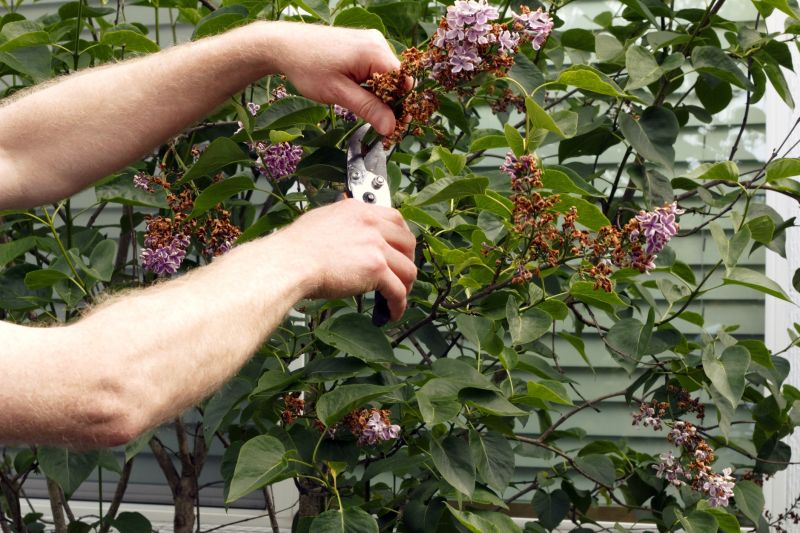
Lilac Trimming Service in Rockwall, TX
Lilac trimming services involve carefully shaping and maintaining lilac bushes to promote healthy growth and an attractive appearance. This process typically includes removing dead or overgrown branches, thinning out dense areas, and shaping the shrub to enhance its natural form. Projects can range from light pruning to more extensive reshaping, depending on the age and condition of the lilacs, as well as the homeowner’s aesthetic preferences. Property owners often seek this service to ensure their lilacs remain vigorous, bloom fully each season, and do not encroach on nearby structures or other plants.
Before requesting lilac trimming, homeowners should consider the current health and size of their bushes, as well as their desired outcome. It’s helpful to understand the best time for pruning, usually shortly after the flowering period, to avoid disrupting next year’s blooms. Clarifying whether the goal is to improve shape, control size, or encourage new growth can help determine the scope of the project. Proper pruning techniques can also prevent damage to the plant and support long-term beauty and health.
Many property owners in Rockwall, TX look into Lilac Trimming Service for repairs, replacements, upgrades, and appearance-related improvements.

Lilac Trimming For Healthy Growth
Proper trimming encourages lush, vibrant lilacs that thrive in rockwall gardens.

Enhancing Garden Aesthetics
Shaping and pruning lilacs can improve the overall appearance of outdoor spaces.

Seasonal Maintenance Services
Regular lilac trimming helps maintain their shape and promotes flowering each season.
Lilac Trimming Service in Rockwall, TX

Lilac trimming services involve carefully shaping and maintaining lilac bushes to promote healthy growth and an attractive appearance. This process typically includes removing dead or overgrown branches, thinning out dense areas, and shaping the shrub to enhance its natural form. Projects can range from light pruning to more extensive reshaping, depending on the age and condition of the lilacs, as well as the homeowner’s aesthetic preferences. Property owners often seek this service to ensure their lilacs remain vigorous, bloom fully each season, and do not encroach on nearby structures or other plants.
Before requesting lilac trimming, homeowners should consider the current health and size of their bushes, as well as their desired outcome. It’s helpful to understand the best time for pruning, usually shortly after the flowering period, to avoid disrupting next year’s blooms. Clarifying whether the goal is to improve shape, control size, or encourage new growth can help determine the scope of the project. Proper pruning techniques can also prevent damage to the plant and support long-term beauty and health.
Many property owners in Rockwall, TX look into Lilac Trimming Service for repairs, replacements, upgrades, and appearance-related improvements.
Common Lilac Trimming Service Jobs
Lilac Trimming - shaping and reducing lilac bushes to promote healthy growth.
Deadheading - removing spent flowers to encourage new blooms.
Pruning - cutting back overgrown branches for better plant structure.
Thinning - reducing dense foliage to improve air circulation.
Seasonal Trimming - maintaining lilacs throughout the growing season.
Hedge Shaping - creating a neat, uniform appearance for lilac hedges.


Lilac Trimming Service Questions
Why should lilacs be trimmed? Trimming encourages healthy growth, improves shape, and promotes more abundant flowering each season.
When is the best time to trim lilacs? The optimal time is immediately after the lilacs finish blooming in spring or early summer.
How much should be removed during trimming? Dead or damaged branches are removed, along with some older stems to allow new growth and maintain a balanced shape.
Can trimming affect the next year's blooms? Proper trimming generally supports better flowering by encouraging new, healthy growth for the upcoming season.
Request Lilac Trimming Service in Rockwall, TX
Use the quote form on this page to share the basics of your project and request more information for the type of work you need.